

Overview
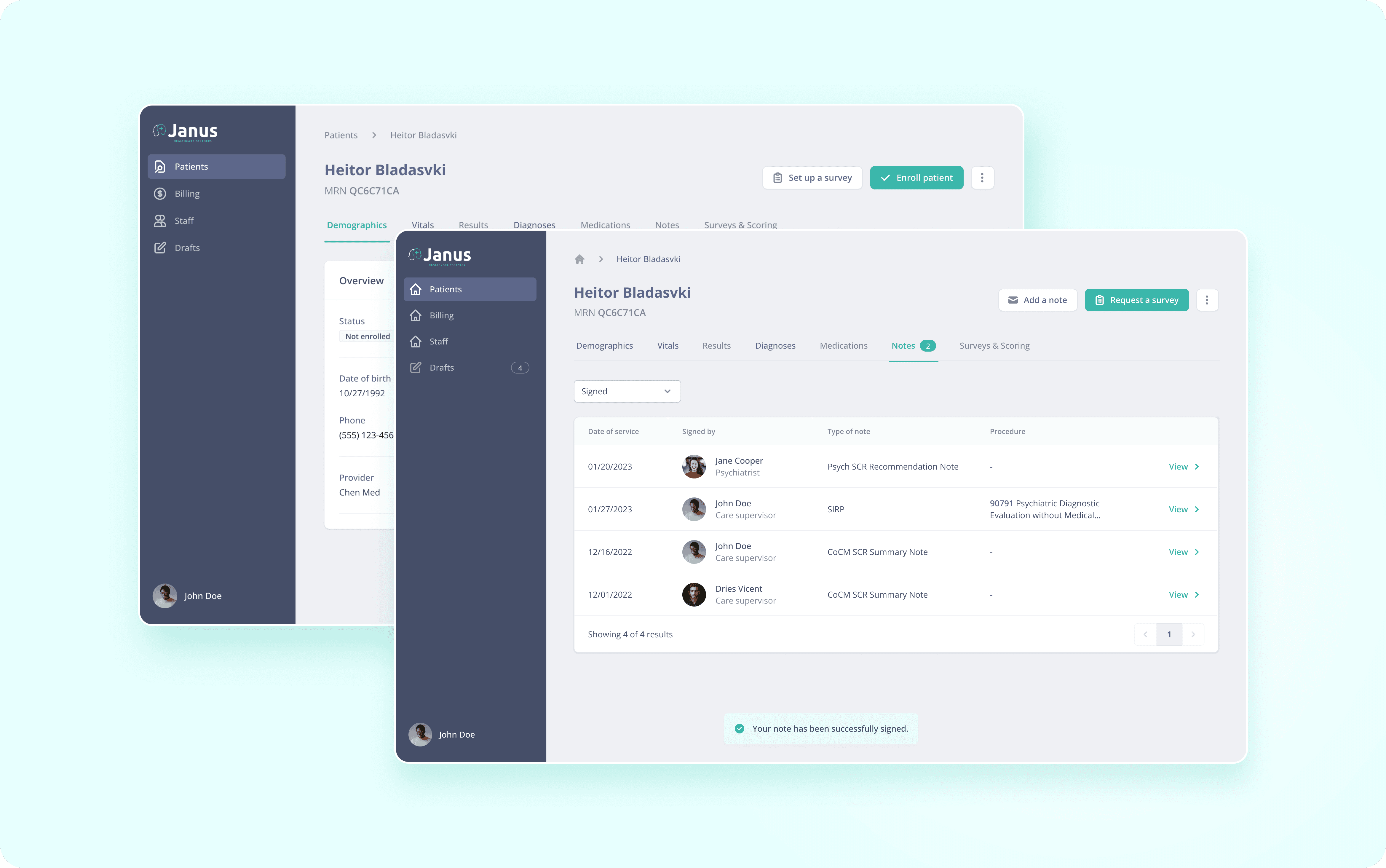
Janus is a health provider group that helps deliver quality holistic care, obtain treatment adherence, improve patient quality of life, and reduce total healthcare costs thought Collaborative Care Model.
The Challenge & Goals
Patients seeking mental health struggle to afford their treatment even with insurance. 10% of the total U.S. population drives 70% of healthcare costs, and within that 10%, more than 60% of costs come from patients with behavioural health conditions.
Given this, Janus are committed to guarantee fidelity to CoCM Model through this platform, by achieving this goals:
Management Platform (MVP)
Create an MVP with the core functionalities that makes the CoCM Model operating and being able to manage without using more than 3 systems.
Data Migration and Integration
Partnering with Primary Care Providers, improving patient care quality with the best experience and efficiency.
The solution
A platform that helps collaborative healthcare managers ensure the consistency of treatment, and Primary Care Clinics can contract the service with current professionals to apply and guarantee the efficiency of patient treatments.
Information in Just One Place
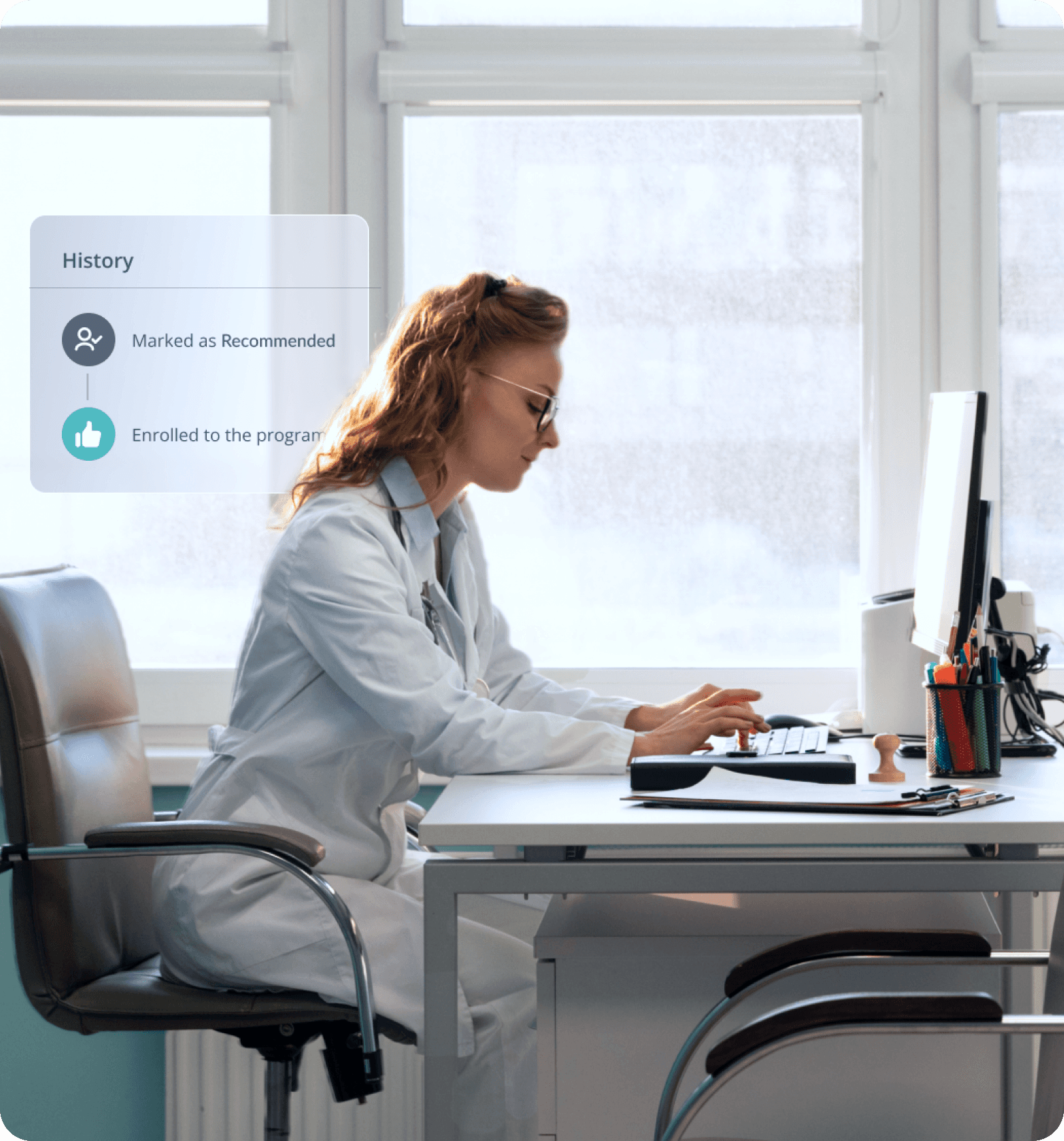
Centralize information in just one place, instead of multiple systems.
User Friendly
An plataform easy and intuitive to navigate.
Committed with the CoC Model
Dedicated to the Community of Care (CoC) Model by fostering collaboration, transparency, and accountability among users.
Discovery
Understanding the problem
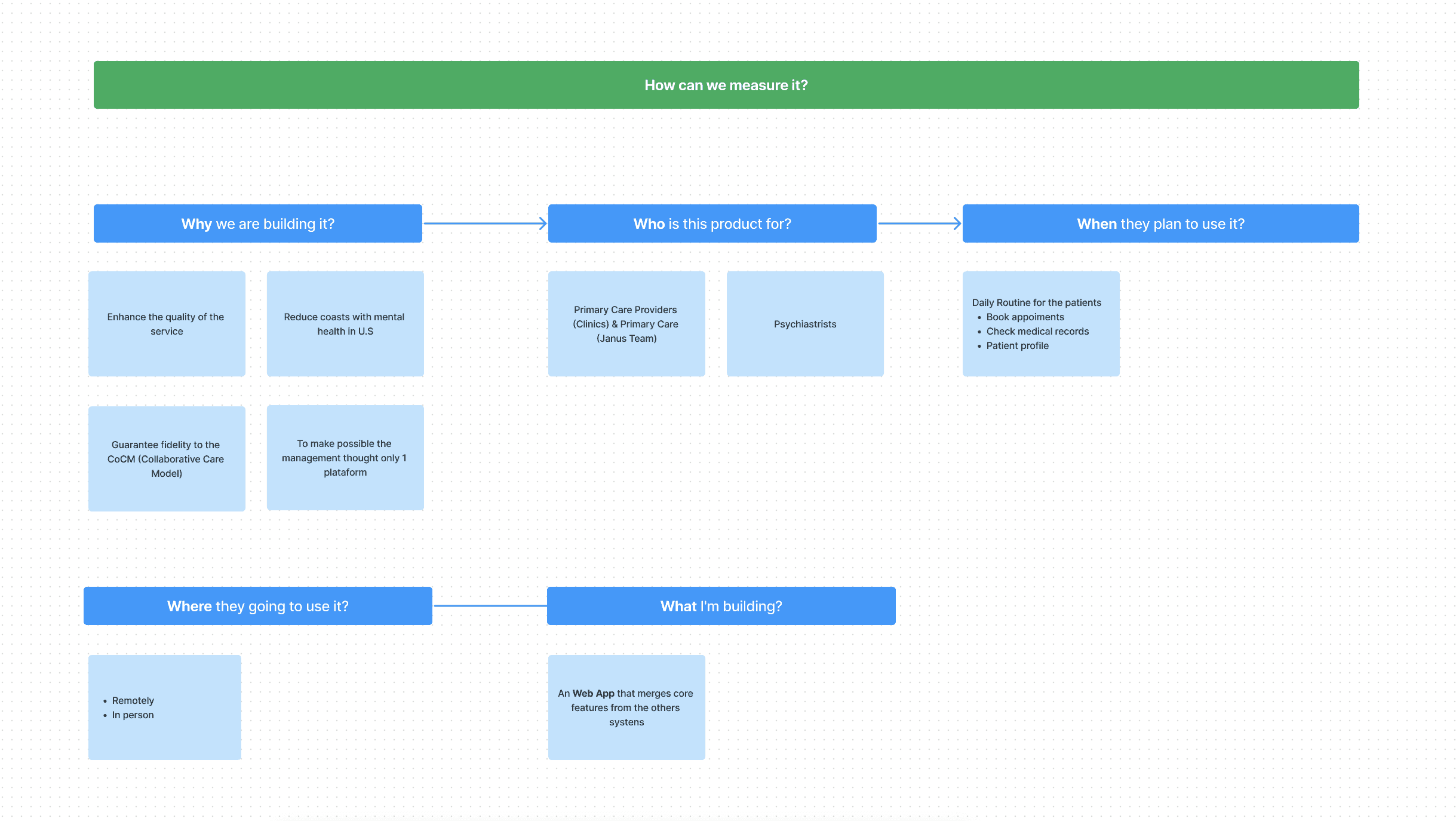
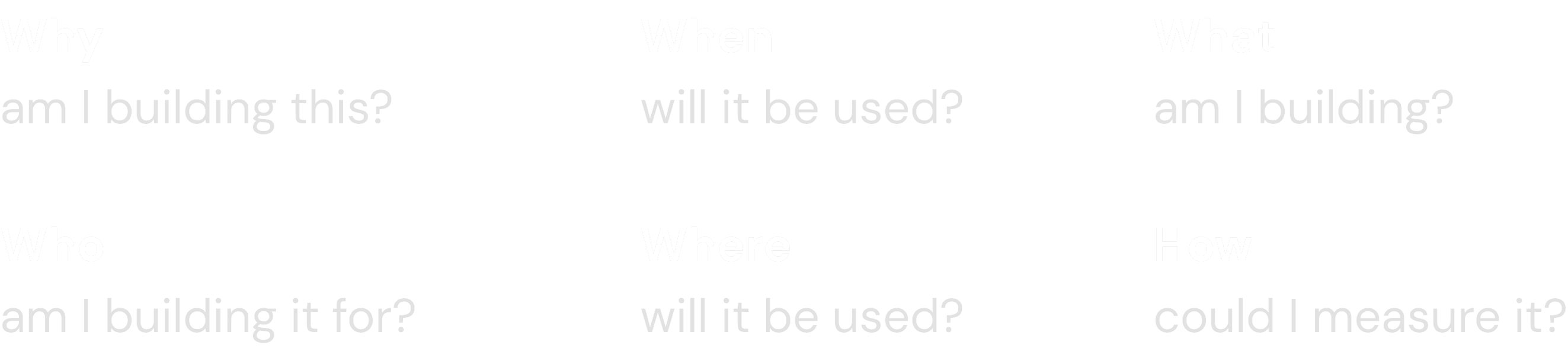
To start this project I used the framework 5W1H – As way to better comprehend the big picture of this project. Which have been helping me with make the right questions to user interviews, get new insights and make the team questioning as well.
Discovery
Users & Roles
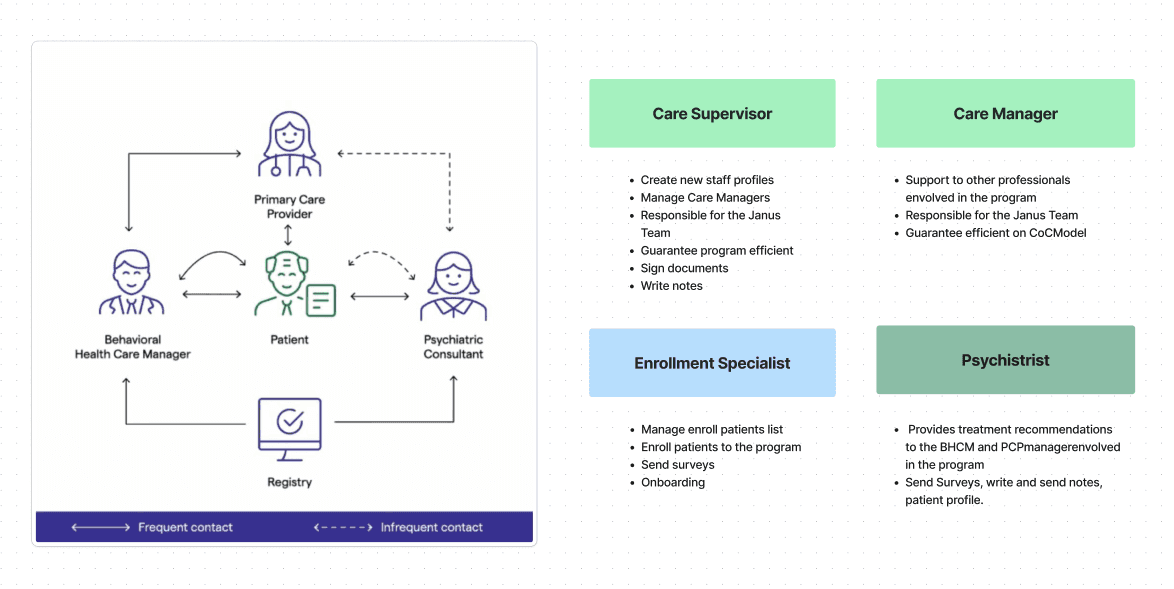
Based on interviews (conducted with users and stakeholders), I could have a sense of their workflow and their profile.
Define
Business needs
This is a B2B business that works through Collaborative Care Model (CoCM), the platform we are working on is an internal platform. Therefore Janus Team are the main users. Each user has their own responsibilities and permissions . I gathered all the permissions and started to turn this more visual as way to better understanding.
Define
User flow & Technology
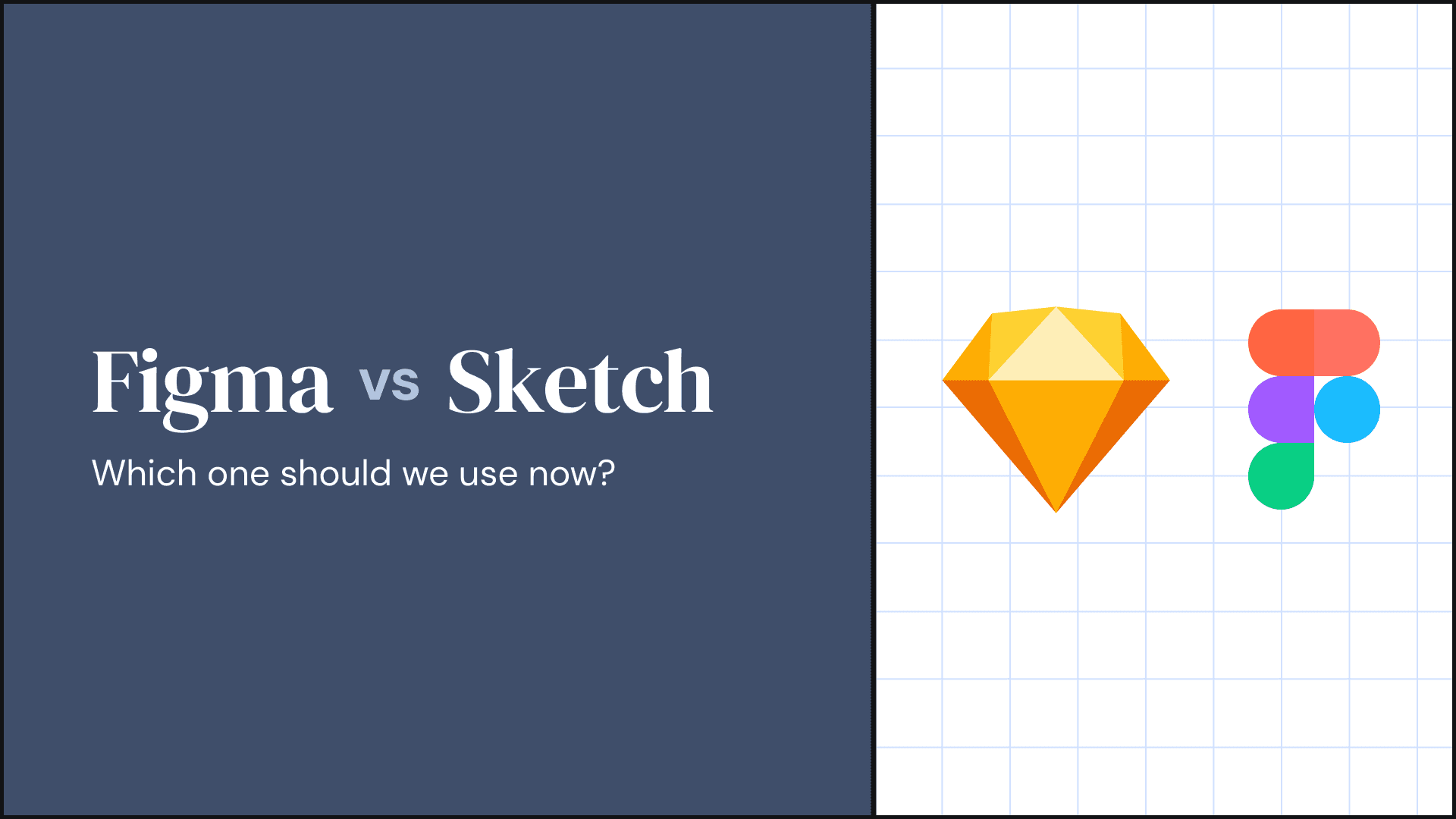
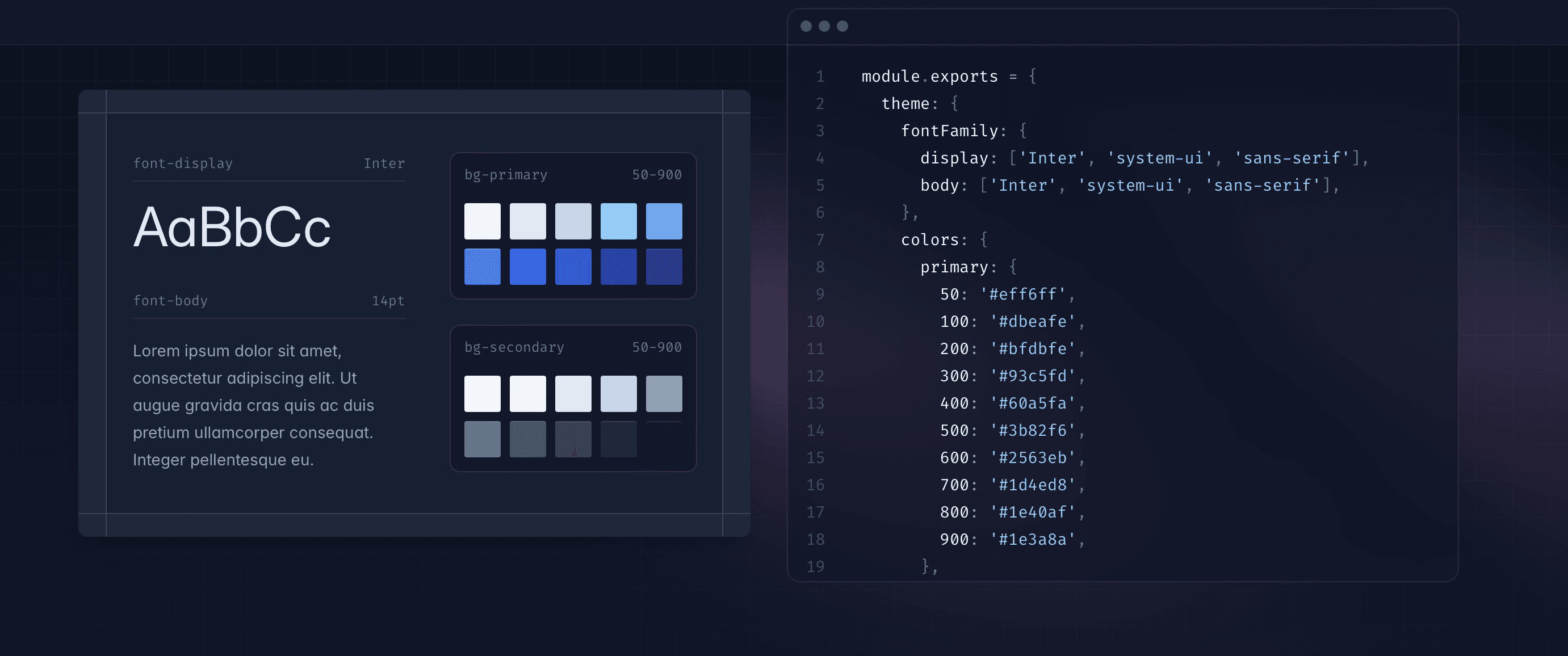
Given the tied deadline, to this project we decided to use the Tailwind, easy and fast to implement.
Pros
- Fast and easy to develop and implement.
- Possible to customize components.
- Good responsiveness.
- No risk to miss deadlines.
Coins
- They only used Sketch, and Tailwind didn’t have a library for Sketch, so we needed to build from scratch.
- Developers have never worked with Figma.
(I taught them how to).
- Responsiveness
- The last version of Tailwind didn’t include a Figma file.
How I solved it?
I found the previous version of the Figma file, which made it possible for me to create screen concepts to validate the idea with the team and the stakeholders.
Image resource: Tailwind CSS
Information Architecture
Main features
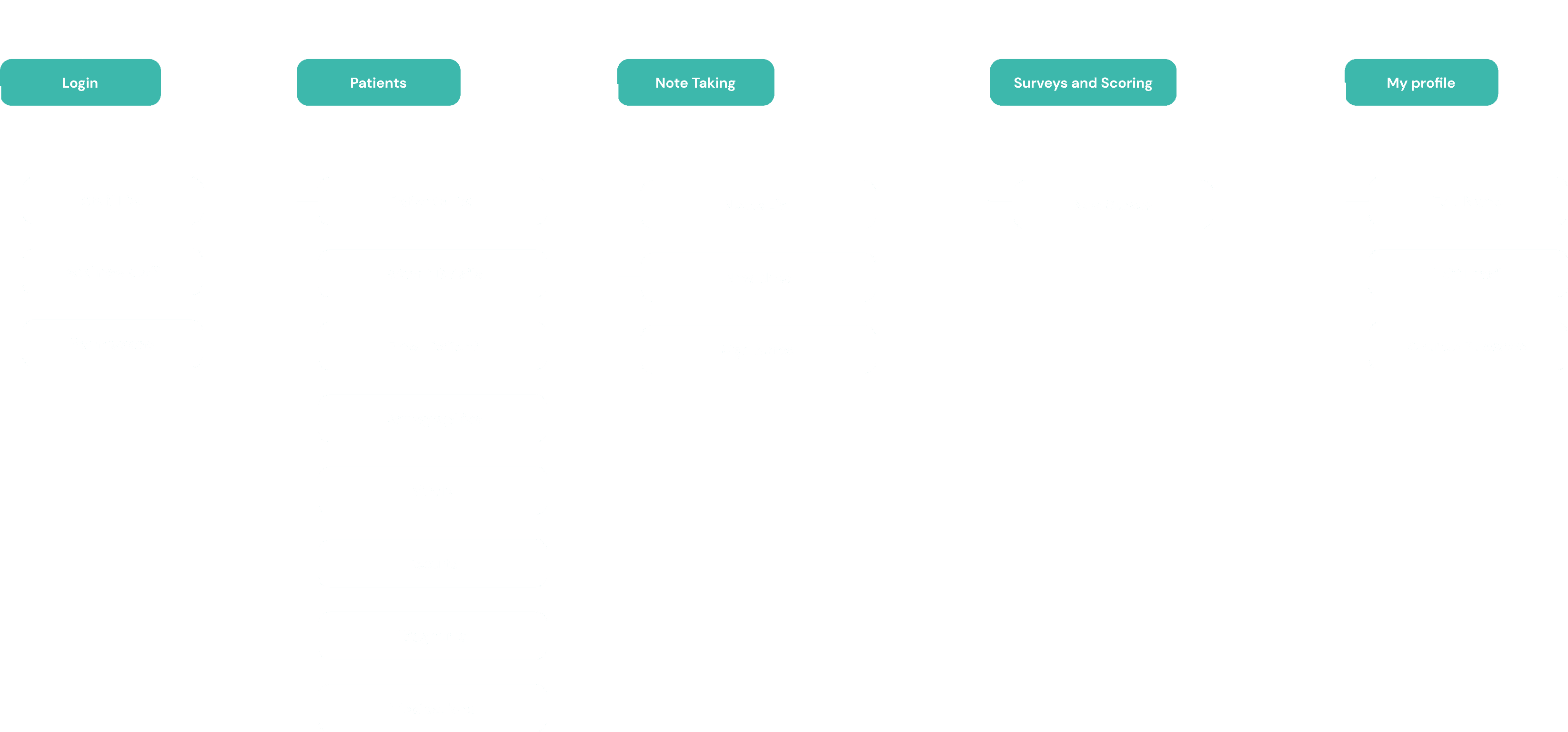
It’s time to organize my ideas, create a solid structure, and a Sitemap to guide my wireframes, giving me insights to build the platform.
Hands on
Sketches & Wireframes
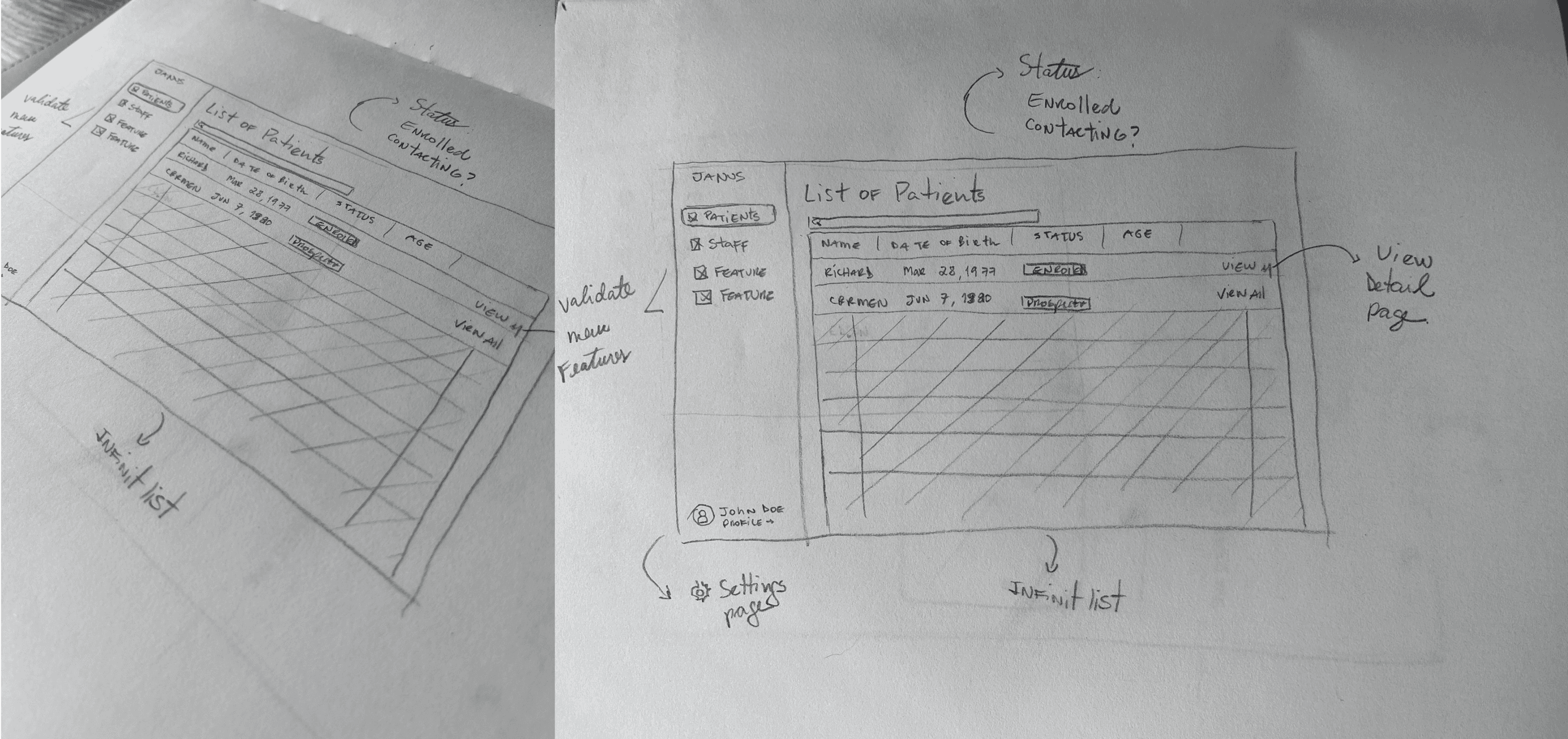
After receiving feedback on my wireframes and creating wireframes on paper, I had a clearer idea of the elements I could use.
Design
Validation with Stakeholders
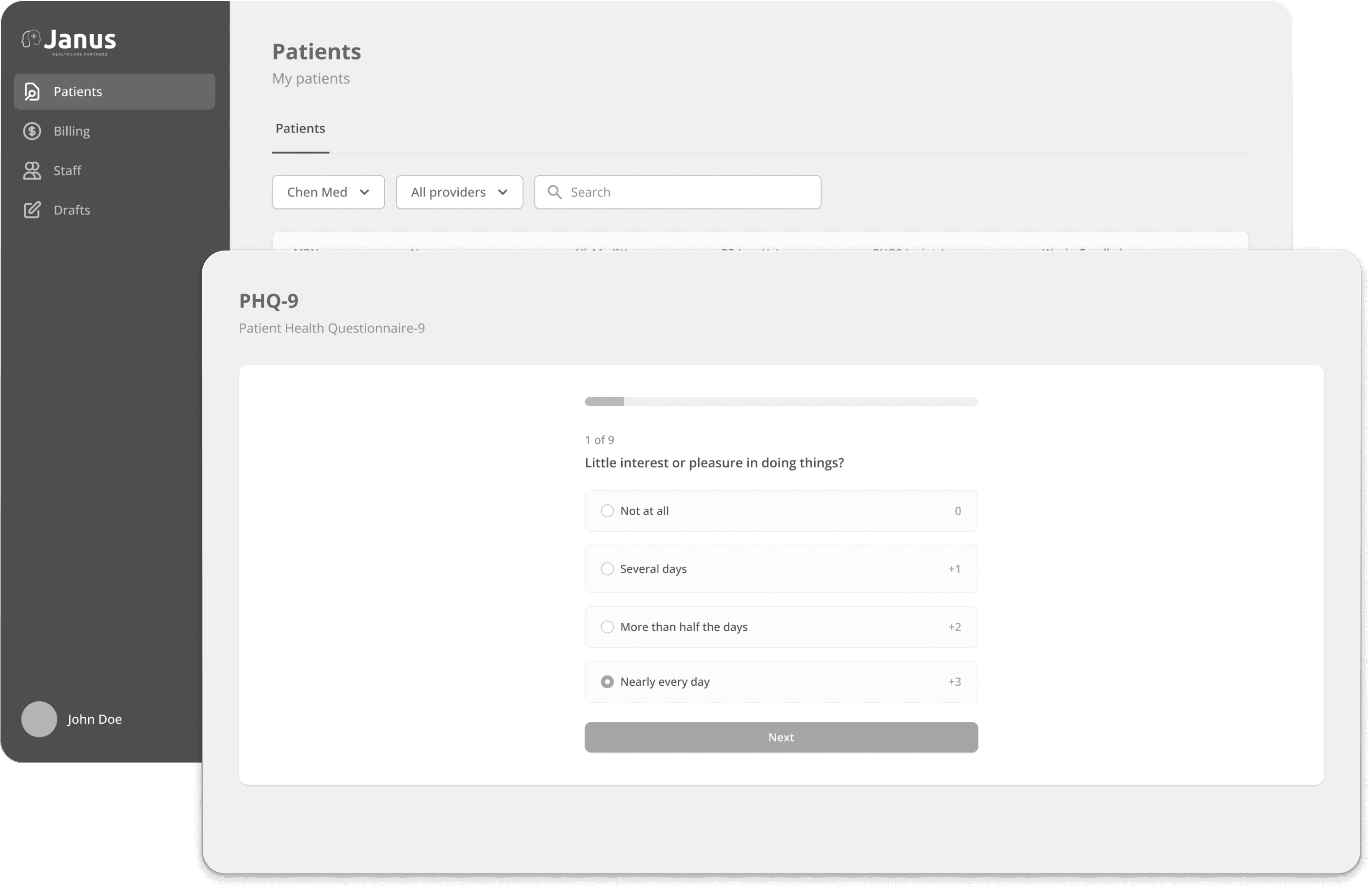
With the engineering team, we worked together to define what could be customized to fit the needed components. I tried my best not to over-customize components to avoid delaying the process.
Delivery
Visual
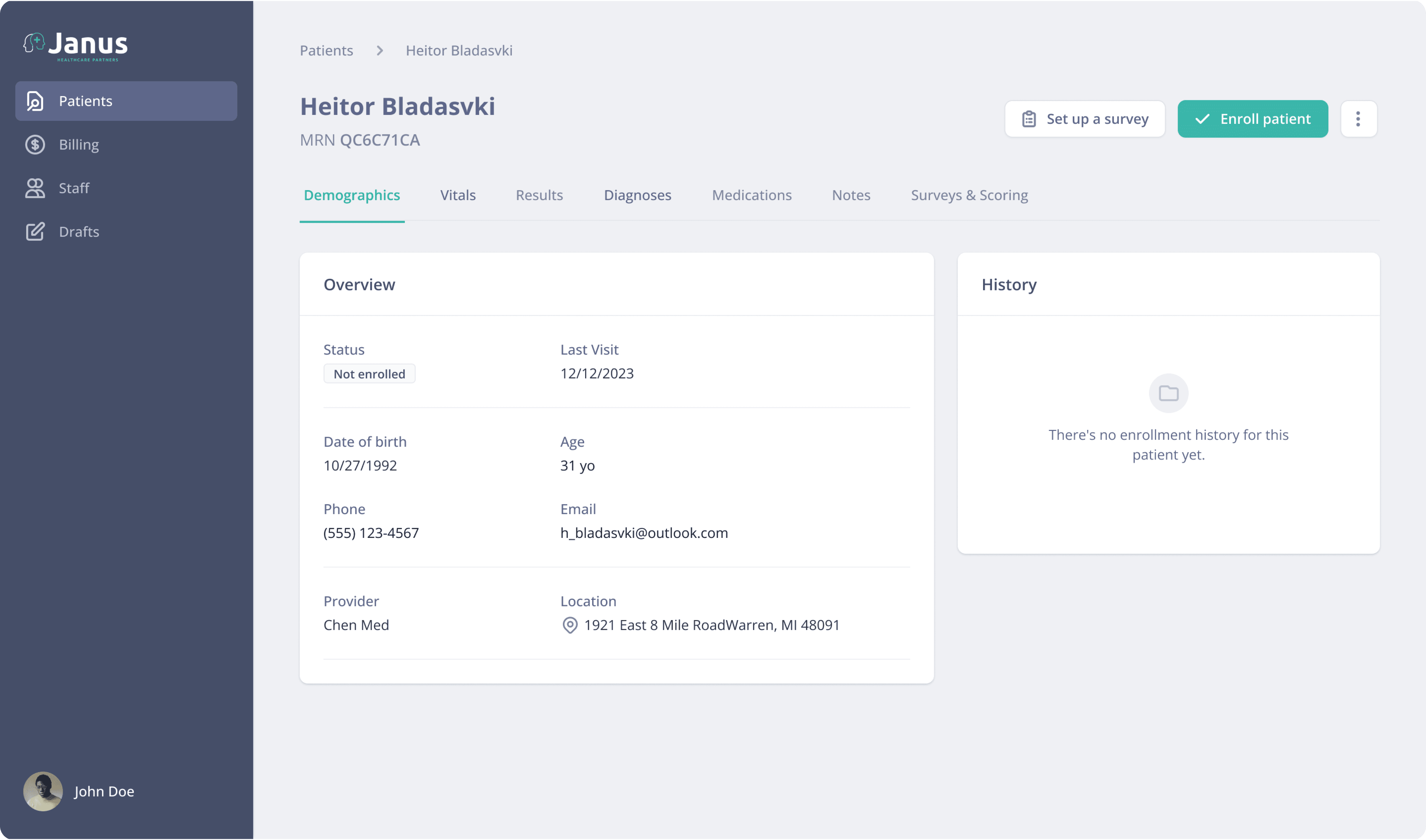
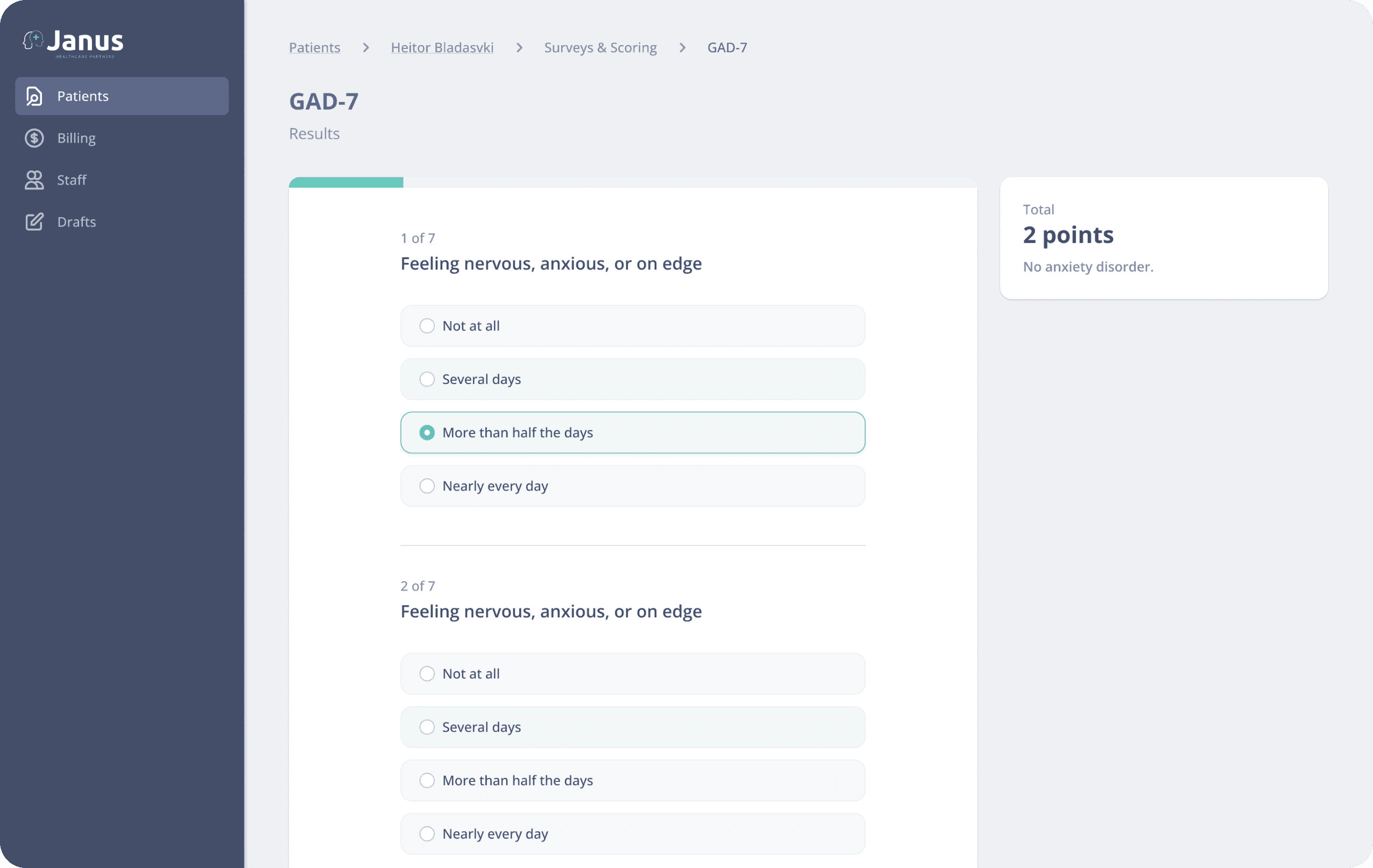
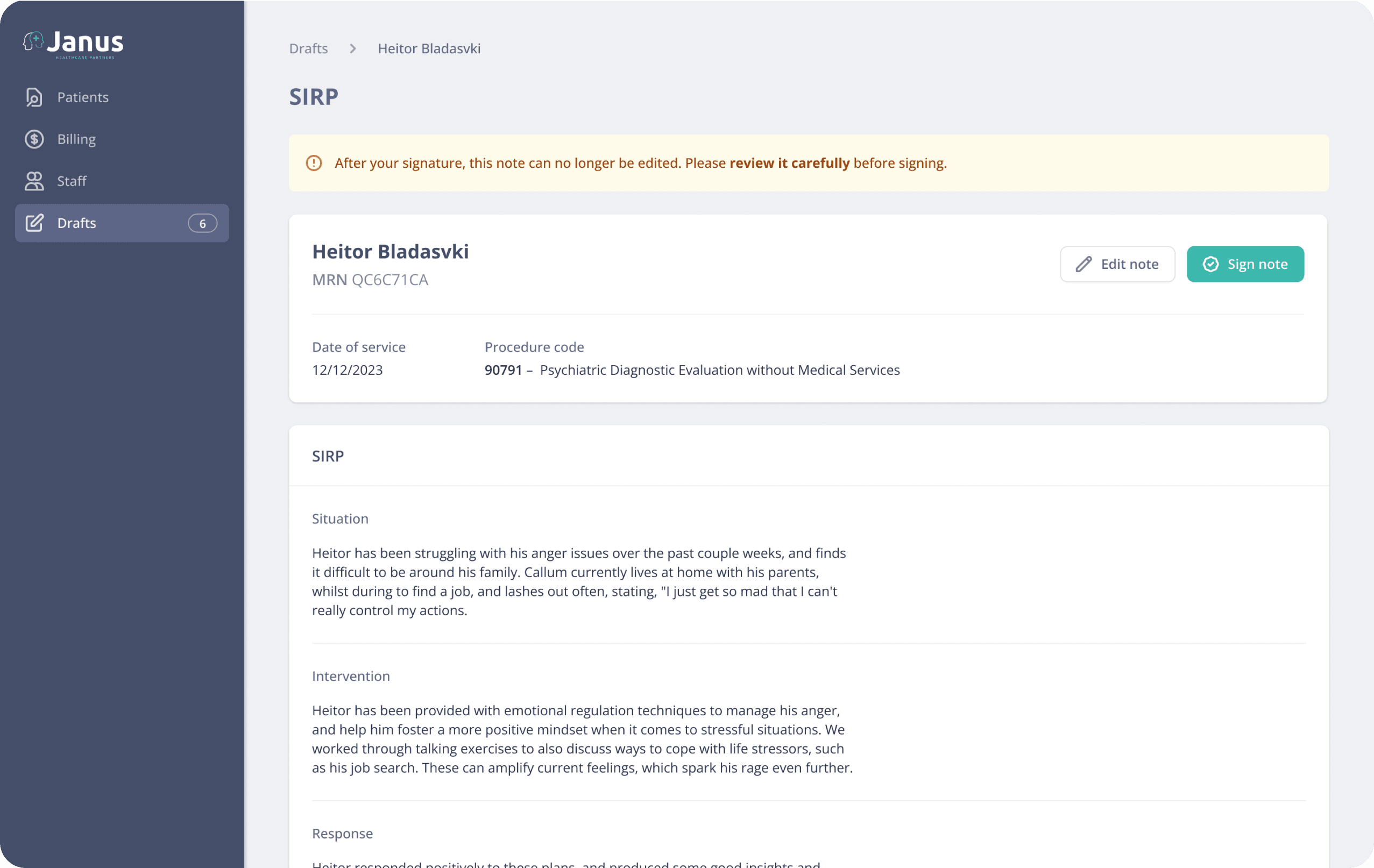
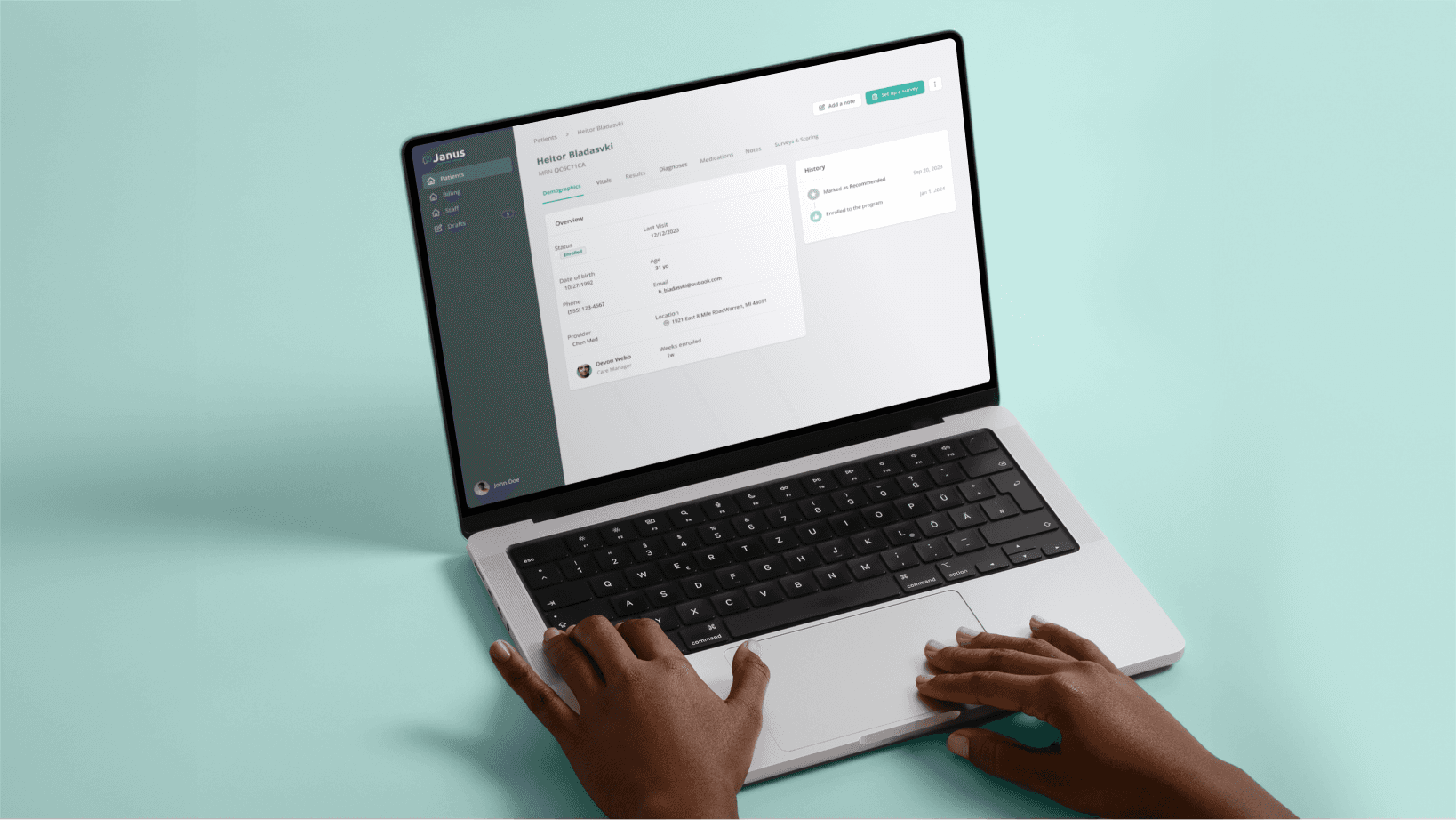
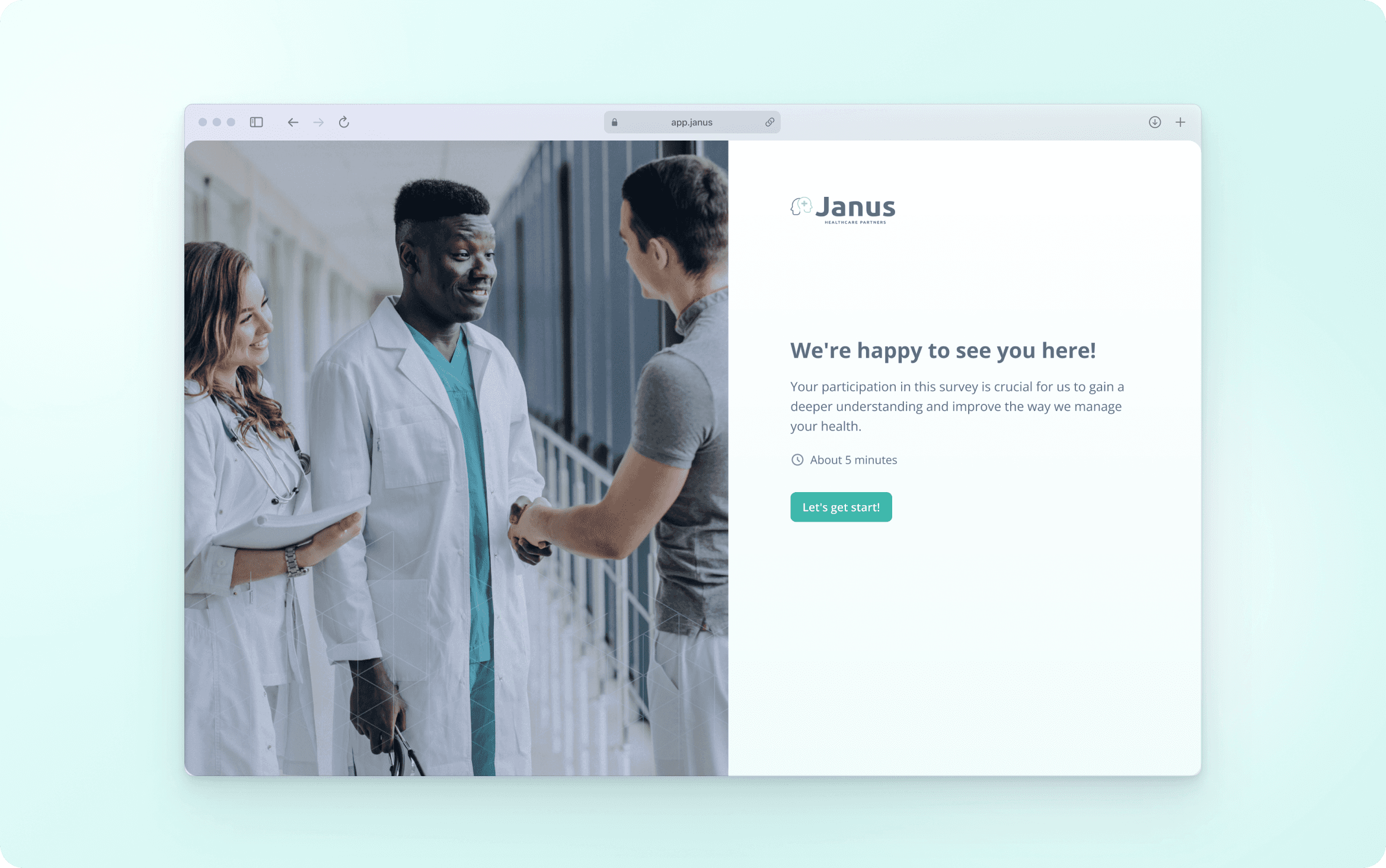
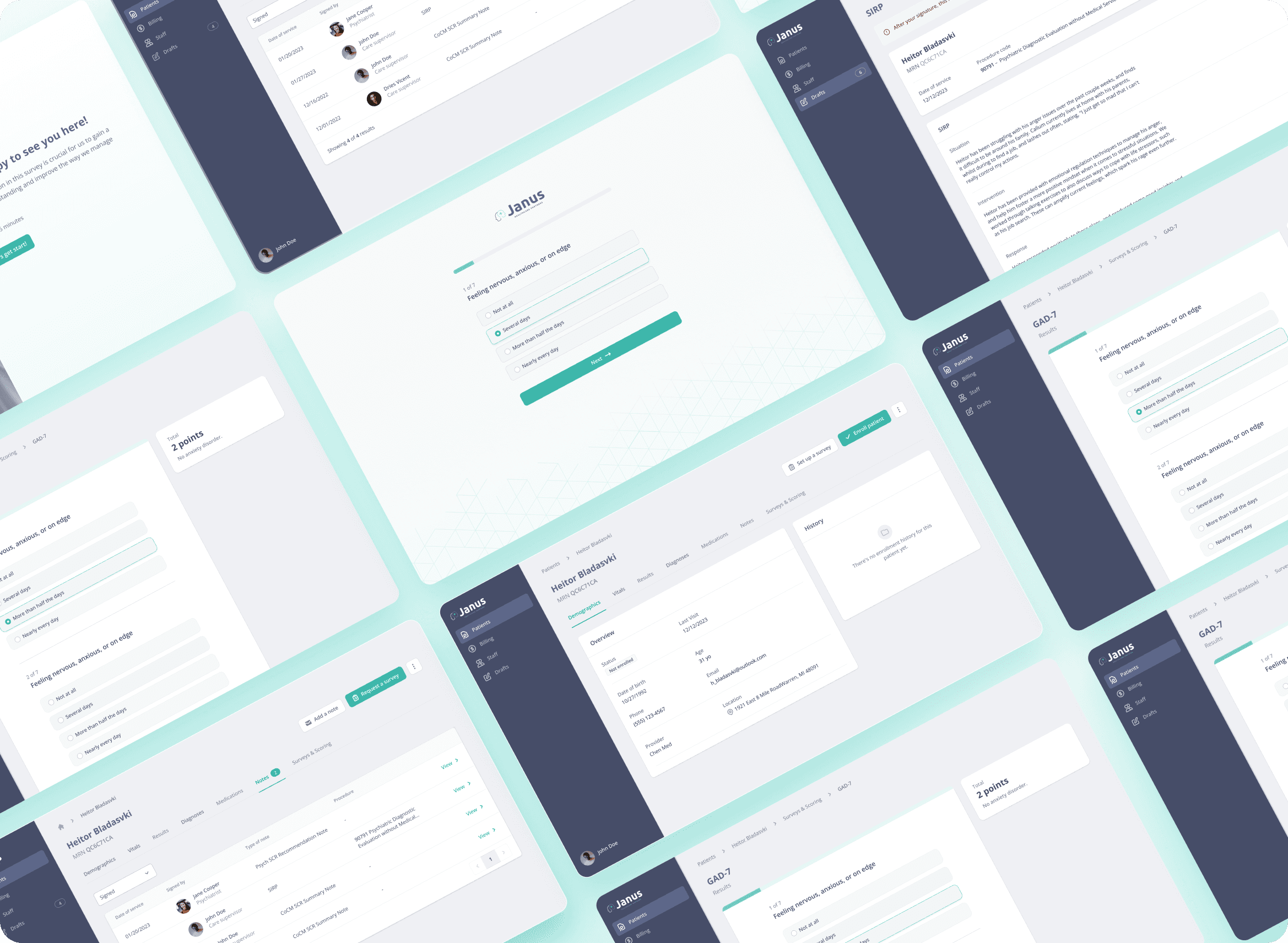
It's the cherry on top. Since I already had Tailwind, I did my best to refine the components, considering the project timeline and urgency of delivery. I only applied the branding style to it and left the rest for refinement at a more opportune time.
Lessons learned
Teamwork communication
Clear communication and teamwork were key factors for the success of this project – working closely with the developers was essential to polish interactions and match visual requirements.